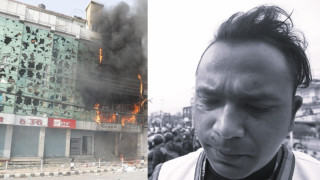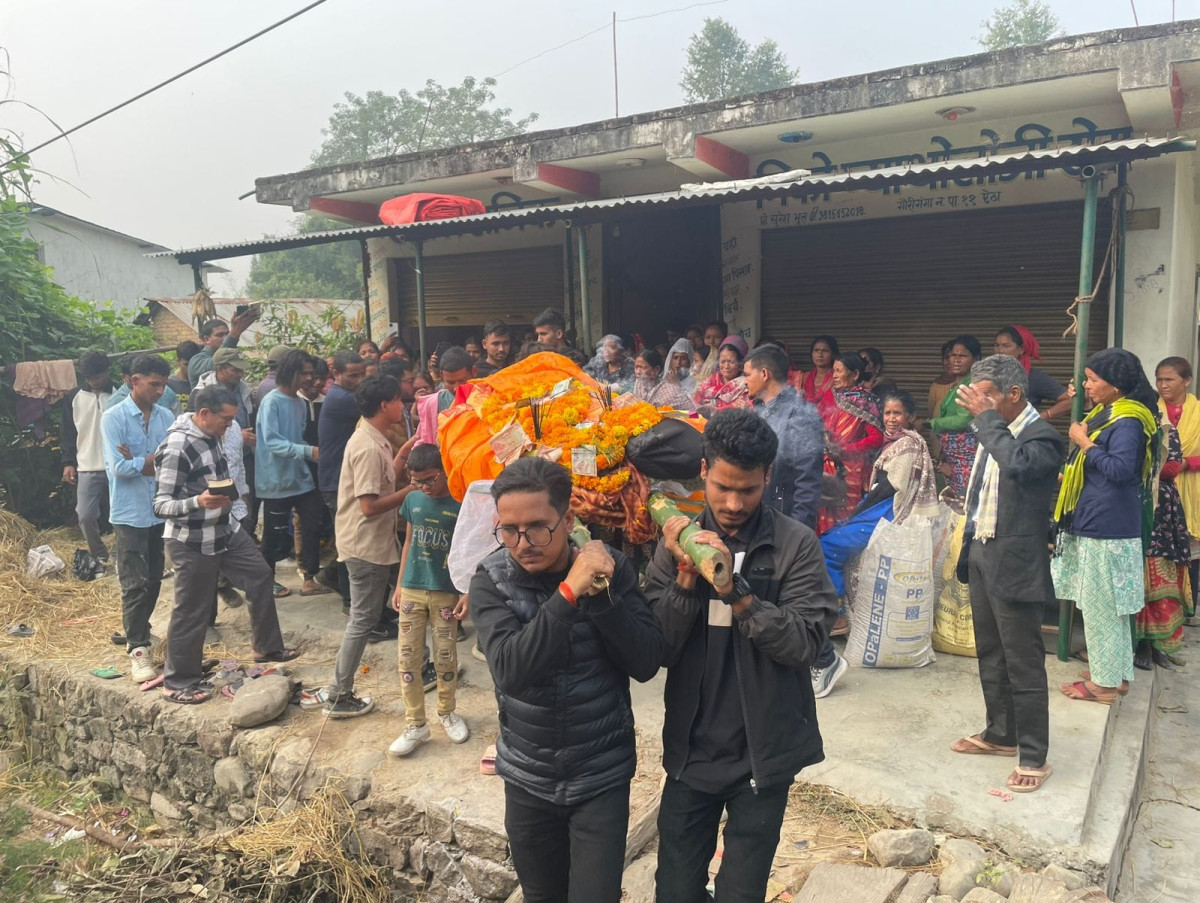


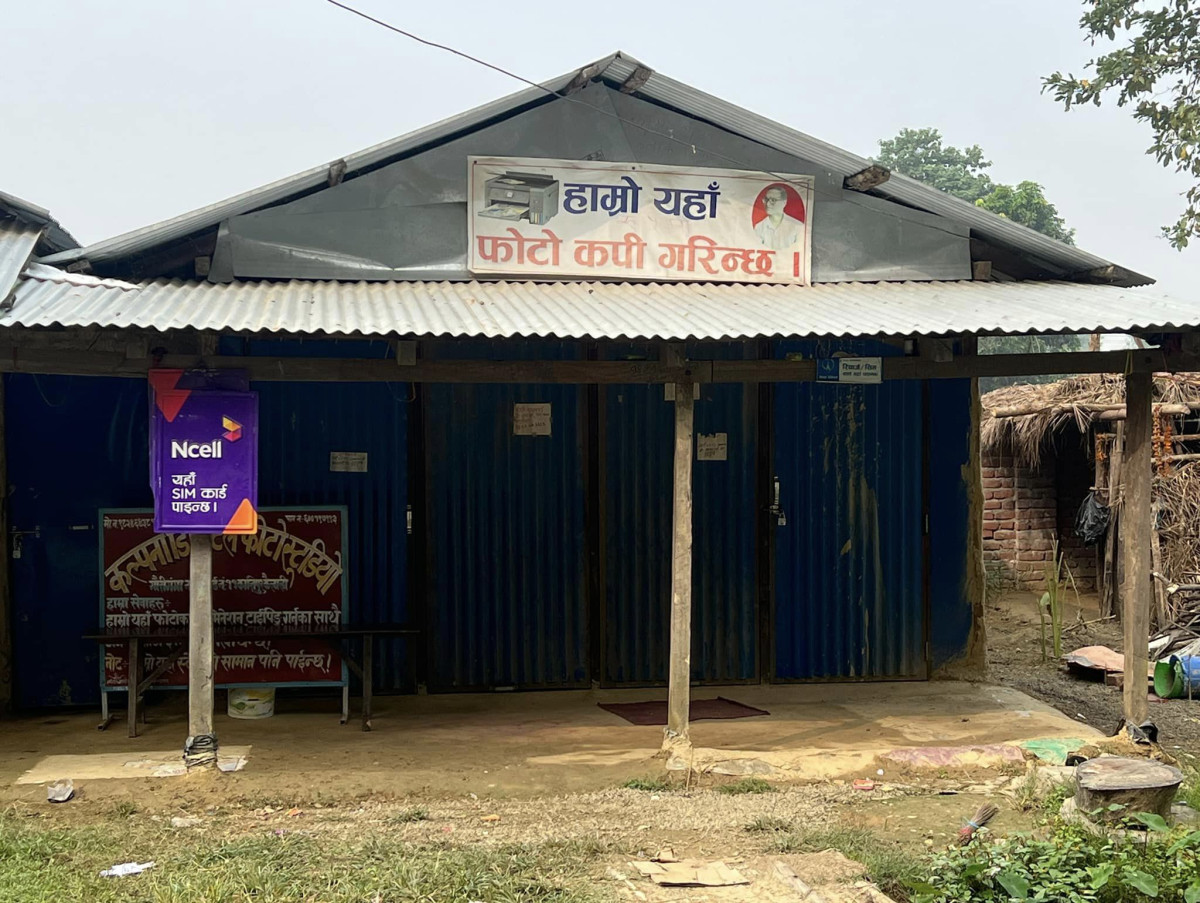
In the quiet neighborhood of Kantipur in Gauriganga Municipality, Ward No. 11, Suresh Bhul, a 30-year-old journalist, was known for his relentless pursuit of truth and dedication to helping others. Balancing his roles as a medical shop owner, photo studio operator, and investigative reporter, Suresh was leading a life of service and commitment.
However, a simple act of kindness—bringing a shivering goat to safety—set off a chain of events that tragically culminated in his brutal death. What began as a false accusation of theft escalated into a harrowing story of caste-based violence, mob justice, and systemic failure, leaving a community reeling and demanding justice for a fearless voice silenced far too soon.
In a chilling incident of mob justice, Bhul was beaten to death in Kailali’s Gauriganga Municipality after being falsely accused of stealing a goat. Bhul, a Dalit journalist and anti-corruption advocate, succumbed to his injuries two days later, with activists calling the incident a premeditated attack rooted in caste prejudice and his fearless reporting.
Bhul’s murder appears to be a planned attempt to silence a powerful voice
At about 6 AM on November 8, Bhul stepped out of his shop to use the restroom. He owned the shop near the office of the municipality’s ward 11. Bhul, known for his helpful nature, often stayed at the medical shop to assist locals during emergencies. For this reason, he regularly used the restroom at the ward office nearby.
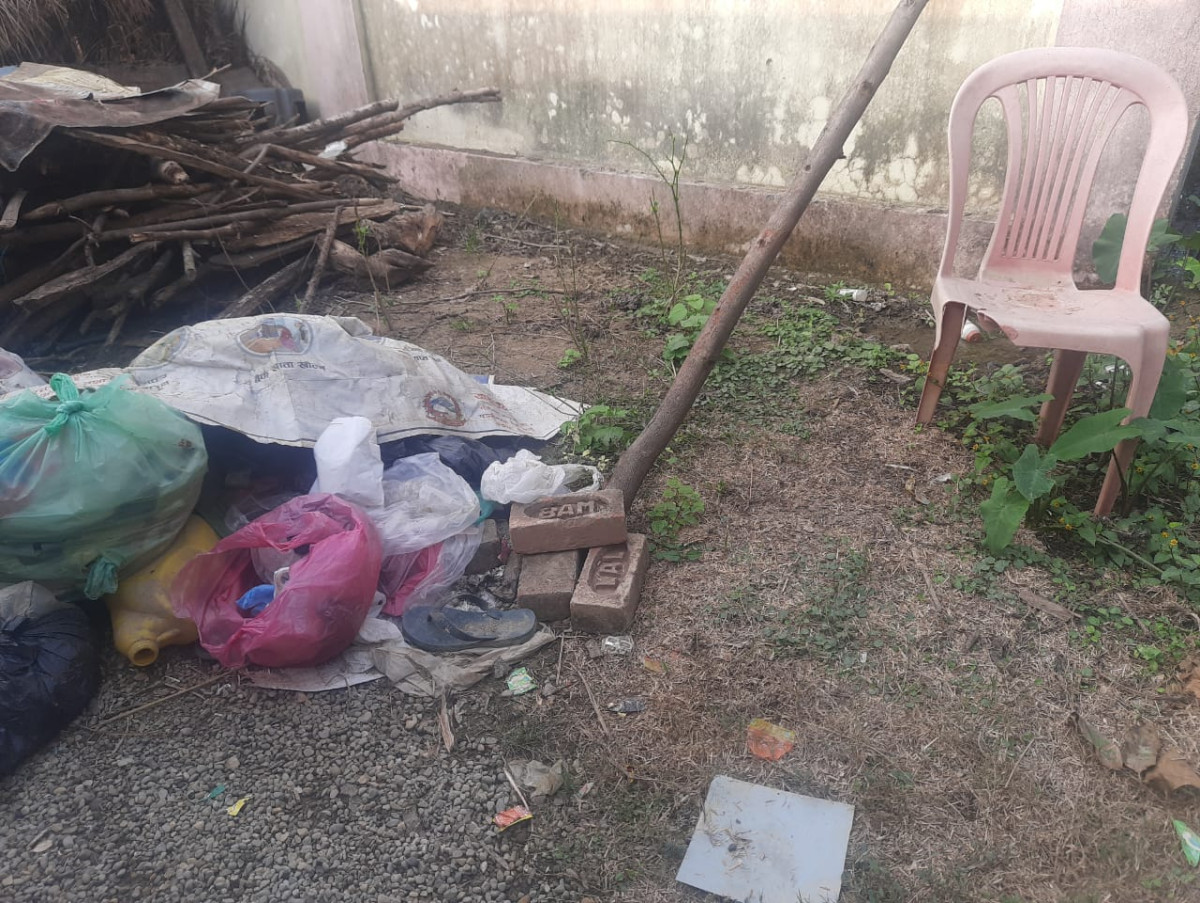
Near the gate of the ward office, he saw a goat shivering from the cold. He brought it back to safety and tied it near his shop. After that, he continued with his daily routine, unaware that a storm was brewing that would disrupt his life before noon. His simple act of kindness took a tragic turn.
The beginning of accusations
Between 10 AM and 11 AM, some women came to Suresh's shop and started shouting, says Hikmat Bhul, President of the National Dalit Journalists Association, Kailali. "They began calling Suresh a 'goat thief' and using derogatory names." Hikmat wasn't an eyewitness to the incident, but he claims that Suresh himself told him about it.
The two women who came to the shop and accused Suresh of stealing a goat were Bishna Bhul and Rama Rawal. The goat that Suresh had brought to his shop belonged to Bishna, who lived in the same neighborhood. The goat had gone missing on November 5. When Bishna saw the goat tied in front of Suresh's shop, she became furious.
In a fit of anger, Bishna accused Suresh of stealing the goat, even though he had only brought it in from the cold and tied it in front of his medical shop.
Recalling what Suresh had said to him, Hikmat says, "Suresh told me, 'I haven’t stolen it. I just brought it here, hoping someone would come looking for it.' He kept repeating that, but the two women kept accusing him of theft." As the shouting increased, villagers began to gather around.
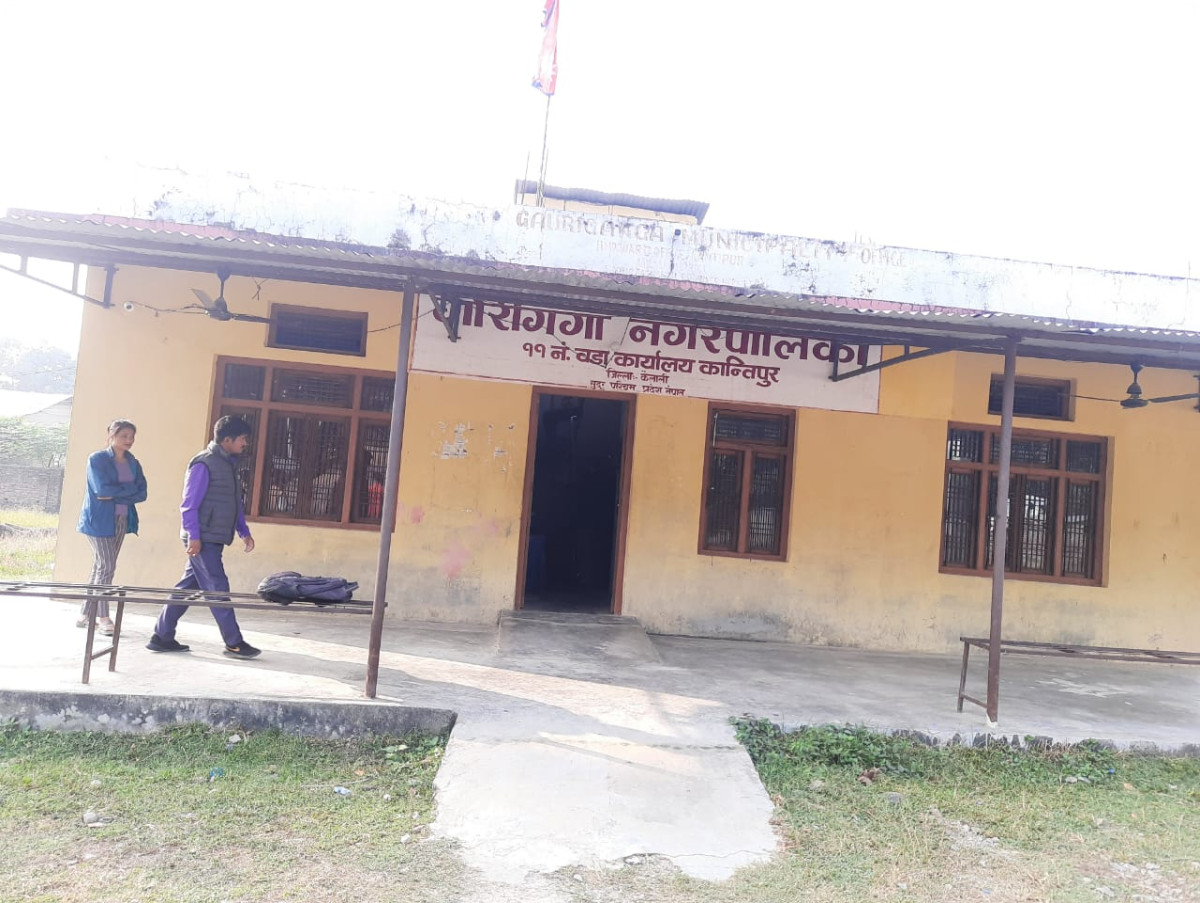
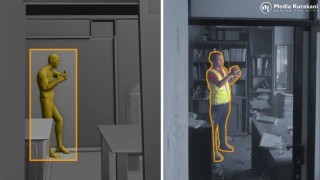
Suresh—a reporter for Sudurpati.com, and also the District Assistant Secretary of the National Dalit Journalists Association, Kailali, and the Information Commissioner for the National Federation of Right to Information, Kailali—had always been a journalist who sought the truth and fought against corruption. After being accused of theft, he took the women to the ward office and showed them CCTV footage to prove his innocence.
"We had a meeting at the ward office at that time," says Saheblal Chaudhary, the Ward Chairperson of Gauriganga Municipality-11. "When he (Bhul) asked us to show the CCTV footage, we showed it to them." Even after watching the footage, the two women continued to argue, recalls Chairperson Chaudhary. "After much shouting, I called the police and handed them over," he adds.
Despite seeing the CCTV footage, Bishna Bhul, the goat herder, continued to accuse Suresh of theft and demanded one lakh rupees, says Hikmat.
"After watching the CCTV footage of the morning incident, Bishna Bhul and Rama Rawal kept repeating their accusations," he says. "When Suresh denied stealing the goat and refused to pay them, they became more aggressive. They even physically attacked him. That’s when the ward chairperson handed them over to the police."
Around 2 PM, the two women went to the Masuriya Area Police Station. Even there, Bishna accused Suresh of stealing the goat and demanded one lakh rupees, which Suresh continued to refuse. "We reached the police station around 2 PM," recalls Kalpana, Suresh's wife, who had gone with him to the station. "Bishna was still making the same accusations. She kept saying Suresh had stolen the goat. I was frustrated and tried to convince her to settle the matter."
"Bishna’s accusation was completely false, but it became like ‘once you touch it, you’re involved,’" Kalpana adds. "Suresh didn’t want to agree, but I asked him to agree and said I would pay the money myself. I told her that I would pay the money out of my own pocket." After Kalpana’s persuasion, Suresh agreed to settle the matter with the goat herder. They negotiated the amount down from one lakh rupees to 30,000, and agreed that the payment would be made in a few days.
"When we left the station, he was upset with me," recalls Kalpana. "He was angry, saying that he felt like he had swallowed poison. Despite his anger, I thought that at least the harassment from Bishna would end after this. But the next day... Before she could finish the sentence, Kalpana’s voice broke with emotion.
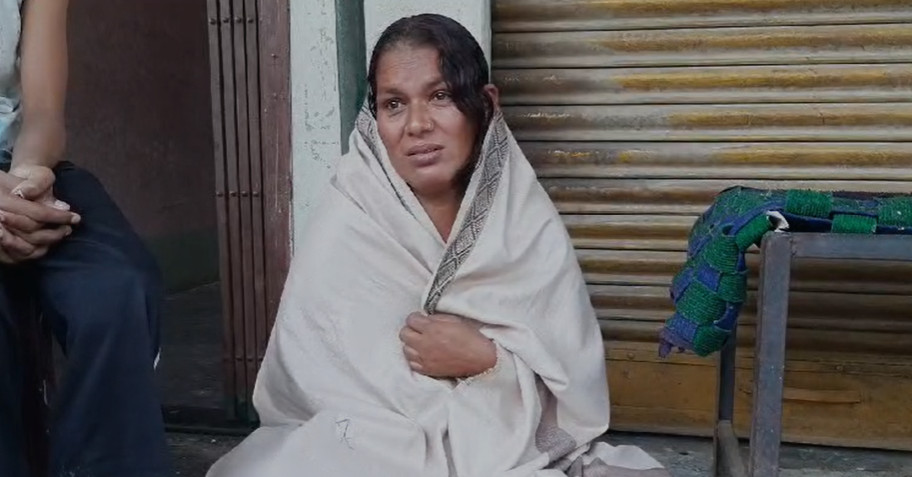
9th November. Saturday. 6 AM.
"Where is the money?" Bishna Bhul came to Suresh's doorstep. When Kalpana told her, "There is no money right now, I will arrange for it," Bishna turned away.
"Since it was Saturday, the bank was closed," Kalpana explains. "To pay Bishna, I borrowed money from relatives. But when I went to give her the money, she changed her mind."
Bishna demanded one lakh rupees again and started fighting. When Bishna insisted on the full amount of one lakh, Kalpana decided not to pay and returned home. "I told her to come to my house to collect the money," Kalpana recalls. "I thought she would come alone, but she brought a whole group with her."
On 9th November, around 5:30 PM, a crowd of people came to Suresh’s house. "They started making noise, demanding one lakh rupees."
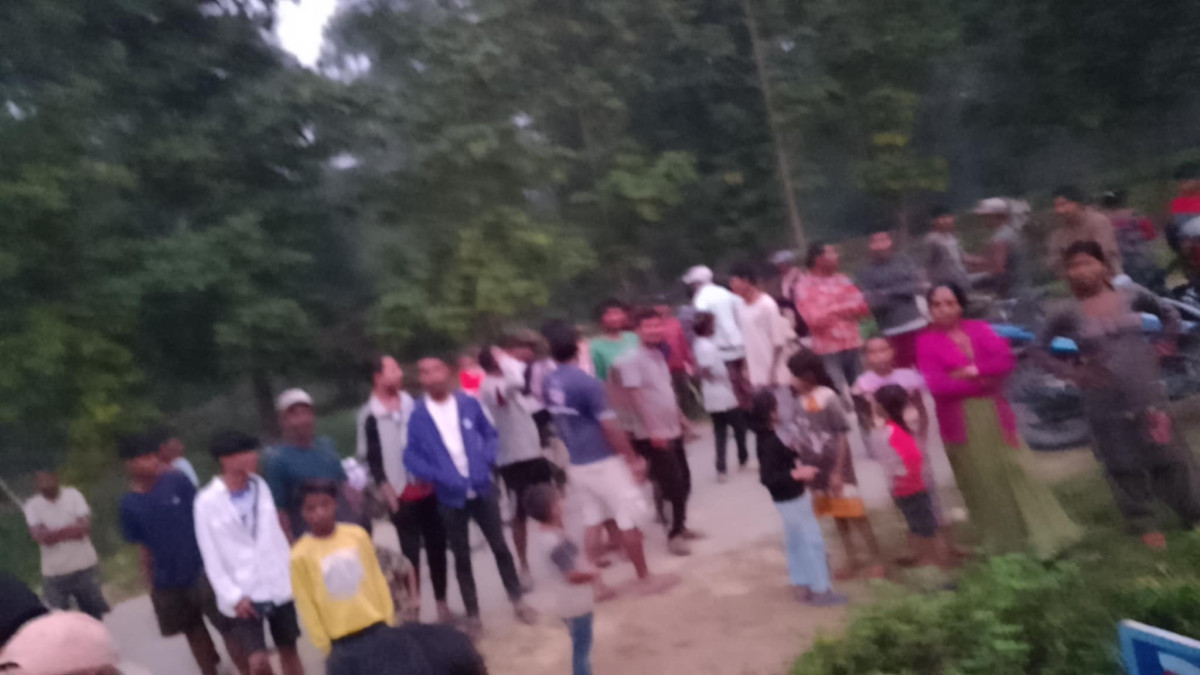
They began shouting, "Thief! Thief!" Kalpana, upset at the crowd for creating a disturbance at the house despite their agreement, confronted them.
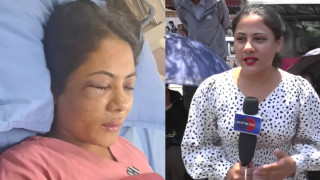
By evening, 40-50 people stormed Suresh's home, shouting accusations and forcibly dragging him out. Witnesses described horrific violence: the mob beat him, repeatedly dunking his head in a nearby ditch. Suresh's wife and young daughter tried to intervene but were also attacked. The mob left Suresh critically injured inside his medical shop.
Police inaction and tragic outcome
When the police arrived, they neither arrested the attackers nor rushed Suresh to the hospital. Instead, they berated him and facilitated the attackers in reclaiming their goat.
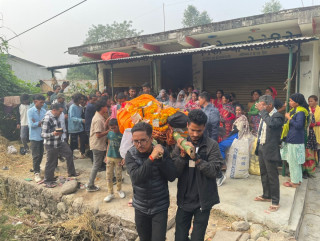
Suresh was eventually taken to a hospital on 10th November but succumbed to his injuries two days later. Post-mortem reports revealed severe internal injuries, including trauma to his chest and liver.
After the physical pain increased, on the next day, i.e., the 10th November, Suresh was taken to Nisarg Hospital in Dhangadhi for treatment. "As soon as I found out that he was in the hospital, I went there," says Hikmat Bhul, President of the National Dalit Journalists Association, Kailali, "At that time, when I inquired, he said the pain was just a bit below the chest."
The doctor involved in Suresh's treatment also mentioned that his condition was normal and there was no need to panic, Hikmat recalls. "I stayed with him in the hospital all day and understood what had happened and how it had occurred."
After spending the day taking care of Suresh in the hospital, Hikmat returned home at night. The next morning, i.e., on the 11th November, his phone rang early in the morning.
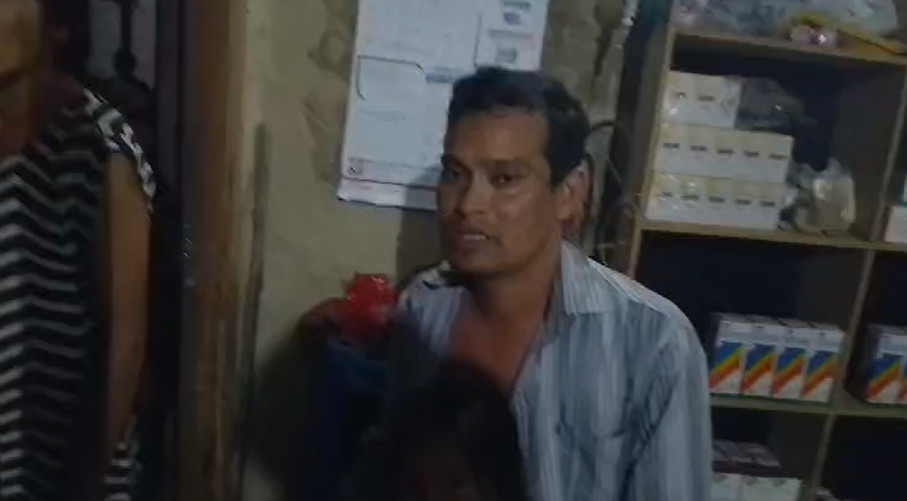
"I picked up the phone, and the voice on the other side said, 'There is blood clotting in Suresh's head and injury in the liver; he needs to be immediately shifted to the ICU,'" Hikmat recalls the unpleasant phone call, "I rushed to the hospital, but by the time I arrived, I could not meet Suresh. He had already passed away by the time I reached."
Post-mortem reports revealed that Suresh had deep injuries on his chest, private parts, and other areas, according to his wife, Kalpana.
After Suresh's death, the police arrested eight individuals involved in the incident. The arrested individuals include 65-year-old Janga Bahadur Bhul from Gauriganga Municipality-11, 23-year-old Bishal BK, 18-year-olds Dinesh BK and Dinesh Bhul, 35-year-old Bishna Bhul, 34-year-old Rama Rawal, 23-year-old Dharma Singh BK, and 24-year-old Ramesh Rawal.
However, Pawan Bogati, 40, from Gauriganga-9, who was involved in the beating, is still absconding.
'Planned murder of a fearless journalist'
In addition to running a medical and photo studio business, Suresh Bhul also worked as a journalist. He was the Assistant Secretary of the National Dalit Journalists Association, Kailali, and the Information Commissioner of the National Federation of Information, Kailali. He frequently raised questions about irregularities and injustices.
"Suresh would always raise questions on social issues, from local issues to district matters," says Suresh's brother, Ganesh Bhul. "He would repeatedly write and ask about issues like potholes on roads or the corruption of government officials."
Ganesh mentions that Suresh was fearless and straightforward. "He would question wrongdoings; he had a bold nature," says Ganesh, "He was fearless. He would never be afraid to stand for what was right. Because of this, he became a target for many. He would say that he stood for social transformation, and that society took his life."
Suresh, who worked for the district's Sudurpatti Online, had confided to his close friend Hikmat Bhul four months ago that it was becoming difficult for him to stay in the area.
Hikmat recalls, "Four months ago, Suresh had said, 'I am surrounded from all sides; they are going to finish me here.' However, after that, he didn't speak openly about the matter."
Indeed, despite the risks, Suresh remained committed to his work," says Sher Bahadur Sarki, the publisher and editor of Sudurpatti. "He was not afraid. He would say, 'Whatever happens, our duty is to bring the truth out,' and he wasn't afraid to take risks."
On one hand, Suresh kept raising questions about irregularities, which meant he had no connections with those involved in corruption. On the other hand, there were many in the village who envied his progress.
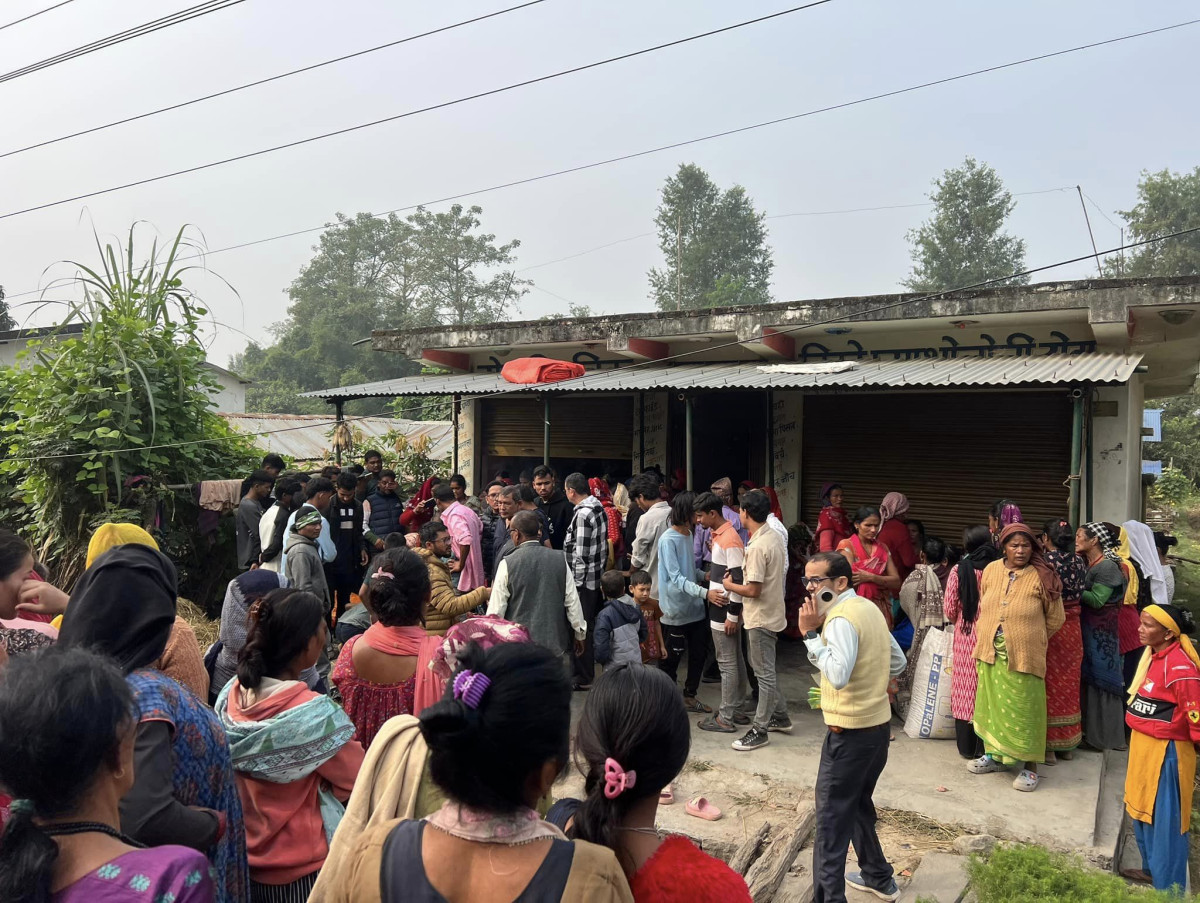
Himal Joshi, President of the Journalist Federation, Kailali, says, "Suresh had moved from Achham to settle here. Those who had moved with him were locals from his old village. Many of them were even his relatives! Along with journalism, he also ran his own medicine shop. His wife was also a nurse. Due to his progress, it seems the locals became resentful. There was jealousy, it seems."
Suresh believed that by running a medicine shop along with journalism, he could provide convenience to the villagers. However, seeing his progress, the relatives and locals who were annoyed at him would despise him. They would insult him based on his caste.
"On the day before the beating, Rama Rawal's husband (Bhime Rawal) insulted Suresh saying, 'You are a Dalit; how can a Dalit be a journalist? How can a Dalit do journalism? Are you trying to become a leader?' recalls Suresh's wife, Kalpana.
"Why do you care about others' issues? He also scolded me," she says, "They threatened to send him to jail on public charges unless he gave them money."
"Although he was from the Dalit community, Suresh was well-educated, had a decent income, and constantly asked for information from public bodies, raised awareness, and wrote against wrongdoings on social media," says Yogesh Rawal, President of the Journalist Federation, Sudurpashchim Province, who studied the case on-site. "The reason for the incident seems to be a mere excuse of stealing goats. It looks like he had already been targeted before. When the beating occurred, there was a group of 40-50 people. The beating was carried out in a planned way, ensuring there were no external injuries."
Pushpa Joshi, Provincial Chairperson of the National Campaign for the Right to Information, also believes Suresh's murder was premeditated. She claims that Suresh's death might have been a consequence of his advocacy on various issues involving organizations, institutions, and individuals, and his demand for information.
"It is possible that he was killed because he spoke out against corruption," she says. "The truth of the incident must be investigated, and strict action should be taken against the culprits."
Suspicious role of the police
After receiving information about the incident, two police officers from the Masuriya Area Police Office arrived at the scene.
They allegedly scolded the family, saying, “This all happened because you didn’t give money. Why didn’t you give us the money?” Kalpana, Suresh's wife, says, "This went too far, they even put handcuffs on him and grabbed his hand." The words of the police, "This person is going to die," continue to echo in Kalpana’s ears. Instead of distinguishing between the beating and the mob violence, the police reportedly gave orders to both pay the money and provide the goats.
After the beating, Suresh had written a message in the National Federation of Information, Kailali's Messenger group. In his message, he expressed feeling insecure and stated that there was collusion between the police and the ward chairperson in the incident, and he had planned to take the matter to court.
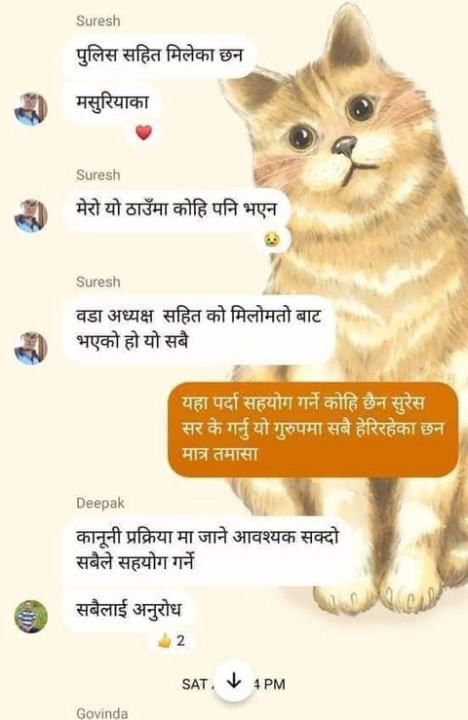
When asked about the police's negligence at the scene, Lakshmi Datta Bhatta, the in-charge of Masuriya Area Police Office, was unable to provide a satisfactory answer.
"I told them the day before that there would be no talk of money here, and that they should settle it among themselves," In-charge Bhatta says. "The next day, when the news of the beating came, I sent two officers, including a head constable, to the scene. I don’t have much knowledge about what happened there."
Meanwhile, the Deputy Superintendent of Police (DSP) at the Kailali District Police Office, Kavindra Singh Bohara, states that if any negligence by the police is found at the scene, an investigation will be conducted and immediate action will be taken against the officers involved.
Justice delayed
The police arrested eight individuals involved in the assault, while one suspect remains at large. Activists, journalists, and locals are calling the incident a premeditated murder, citing Suresh’s history of exposing corruption and raising social issues.
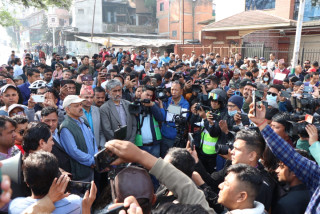
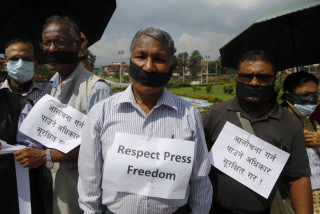
The Federation of Nepali Journalists has formed a mission team to investigate the incident. The team, headed by Secretary Hemkarna BK, is already conducting investigations at the scene. The team has stated that it will submit a report with its findings within 15 days.
Advocates argue that the goat theft accusation was merely an excuse, and Suresh was targeted for his fearless journalism and activism.
Suresh’s death has ignited widespread outrage, with calls for accountability, proper investigation, and justice for a journalist who paid the ultimate price for his integrity.
(This is a translated work, and every effort has been made to faithfully convey the original meaning. ou can read the original story in Nepali here.)